Art Portfolio
Insomnia
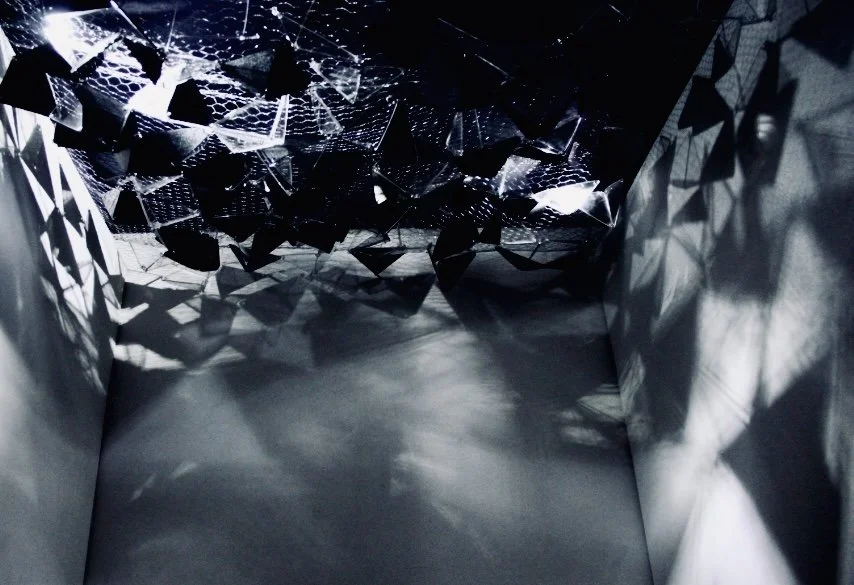
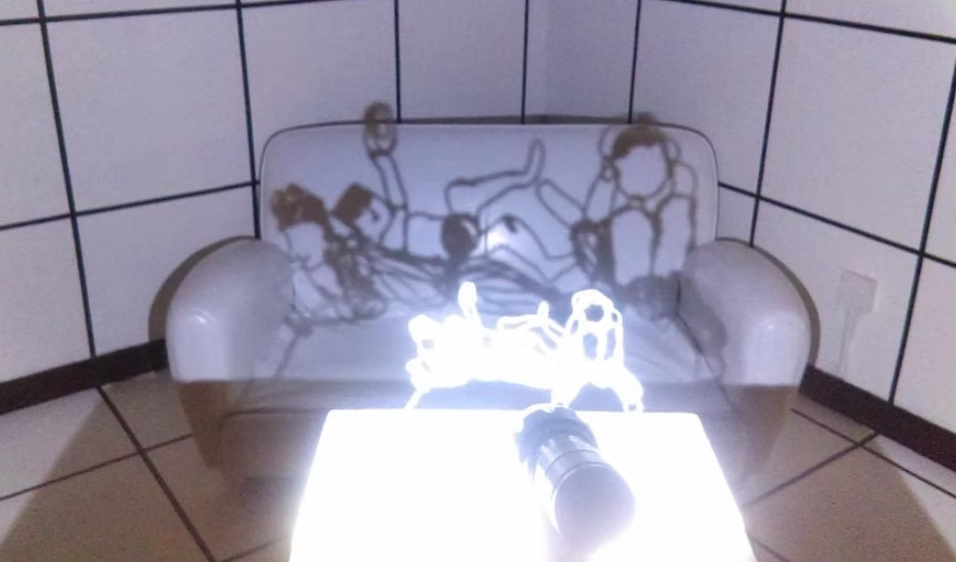
At age five, the artist learned an unsettling truth: everyone dies. The simple affirmation from a parent sparked a profound confrontation with mortality that would haunt the years to follow—nights spent lying awake in bed, staring at the ceiling, watching shadows cast by passing cars dance across the walls. These hours of insomnia became a crucible for obsession, transforming ordinary shadows into metaphors for anxiety, dread, and the unknowable.
This installation abstracts that childhood fear through carefully orchestrated light and form. By experimenting with shapes and the interplay of illumination and darkness, the artist renders the ineffable visible—an embodiment of the intrusive thoughts and existential vertigo that fill each night. The work operates in deliberate tension: accompanied by classical, peaceful music, it expresses the precise opposite of serenity. The contrast heightens the internal conflict the piece seeks to convey, bridging the gap between external calm and the turbulent landscape of the mind.
This installation represents the artist's most intimate attempt to manifest what they experience in the darkness—a visual and spatial language for the dread that persists when night falls and the mind begins its endless questioning.
Two Cities
This is an interactive work that requires two friends living in two different cities.
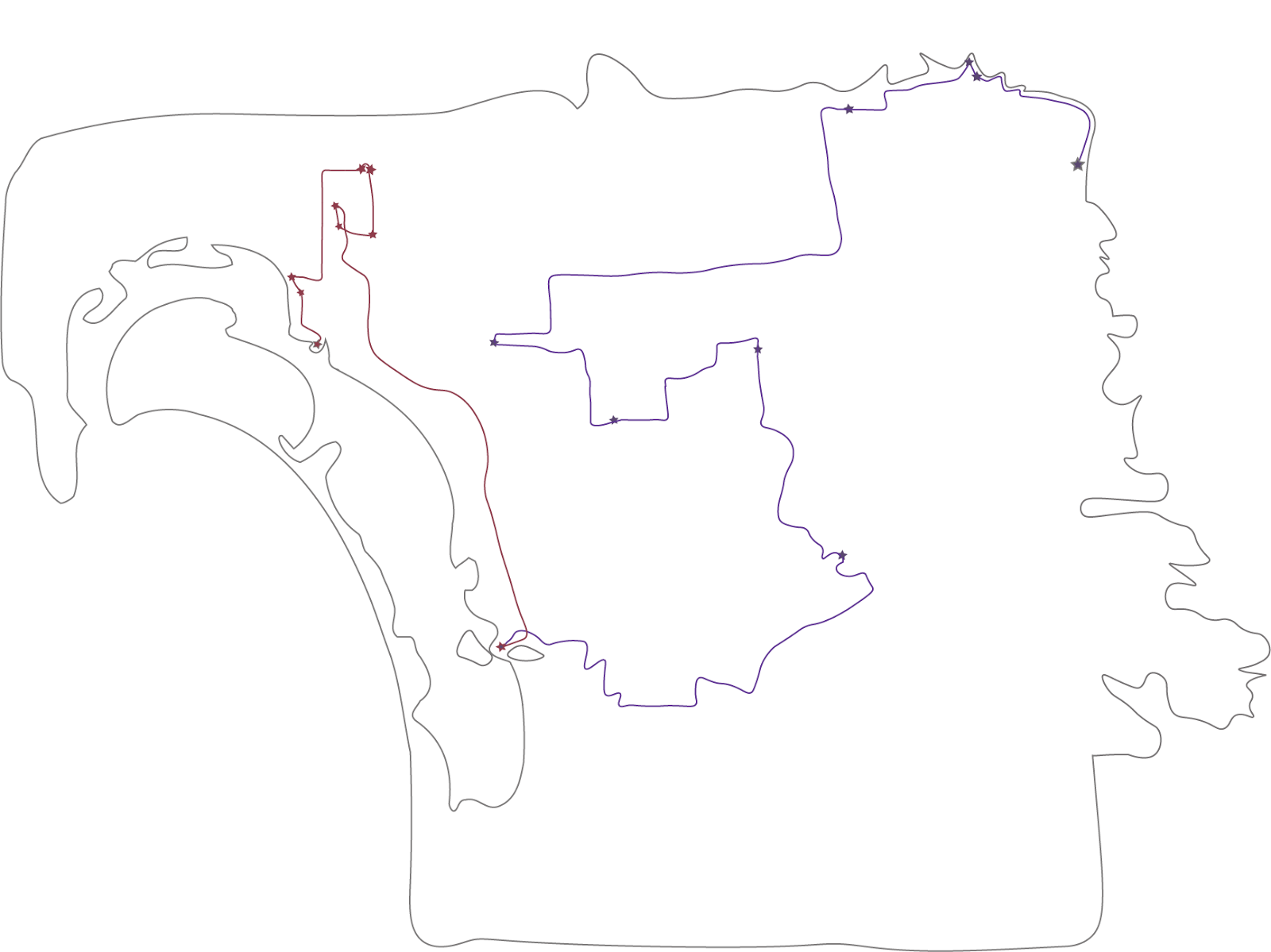
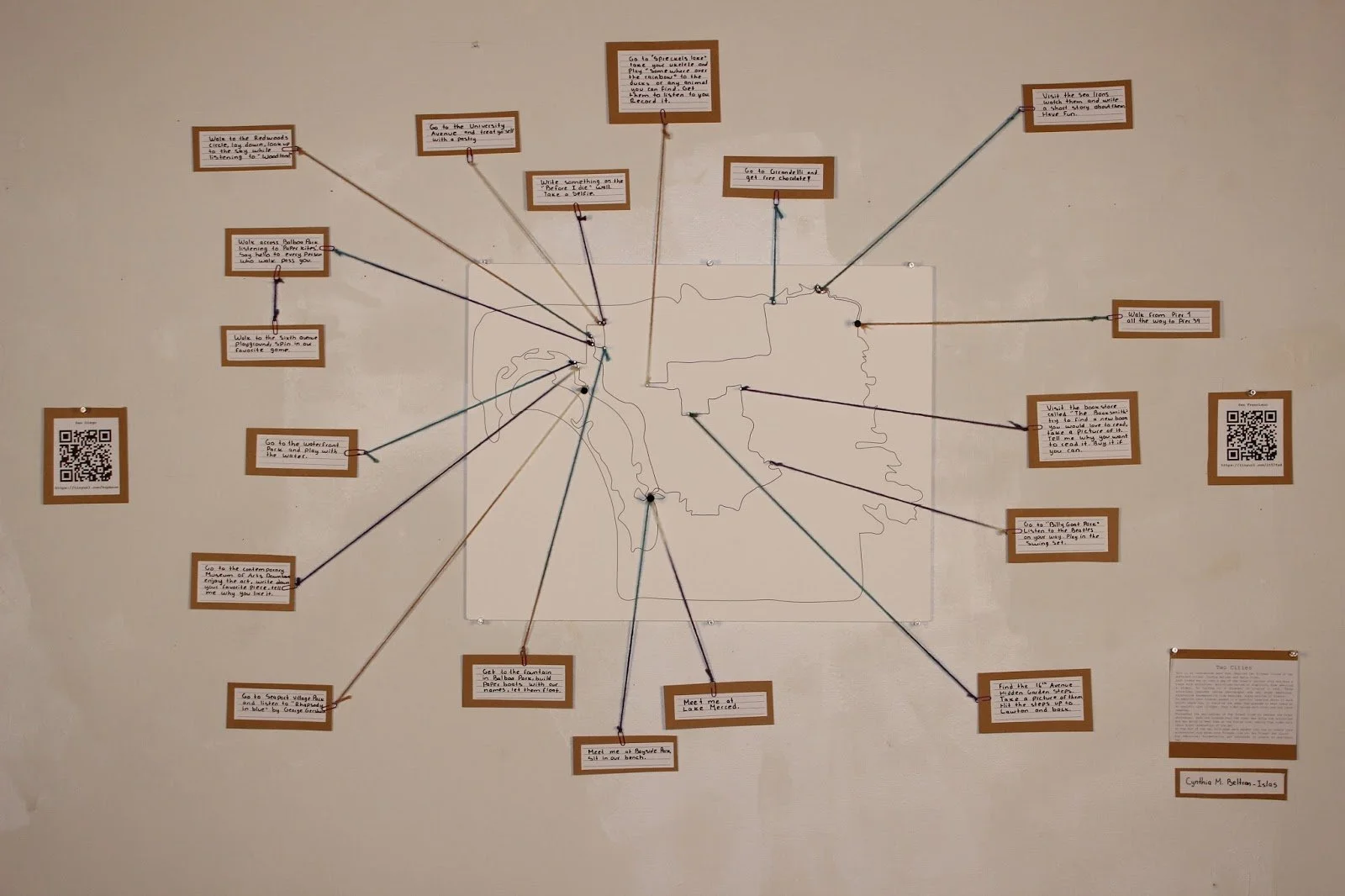
Each friend was to take a map of the other's current city and draw a route with activities. Activities varied on simplicity from smelling a flower, to talking to a stranger to singing a song. These activities required taking photographs and any other additional alternative documentation like drawings, diary entries or videos.
In addition, both friends agreed on a specific location where if both cities where one, it would be the same, and planned to meet there at a specific time (5:00pm). They video called each other and had lunch together.
Throughout the day neither of the friend tried to contact the other whatsoever, each one trusted that the other was doing the activities and was going to meet them at the finish line, making that video call their first interaction of the day.
At the end of the day both maps were merged into one to create this alternative city where both friends live in; San Friego?, San Disco?.
Any additional documentation was connected to create an analogous map.
Rain Piece
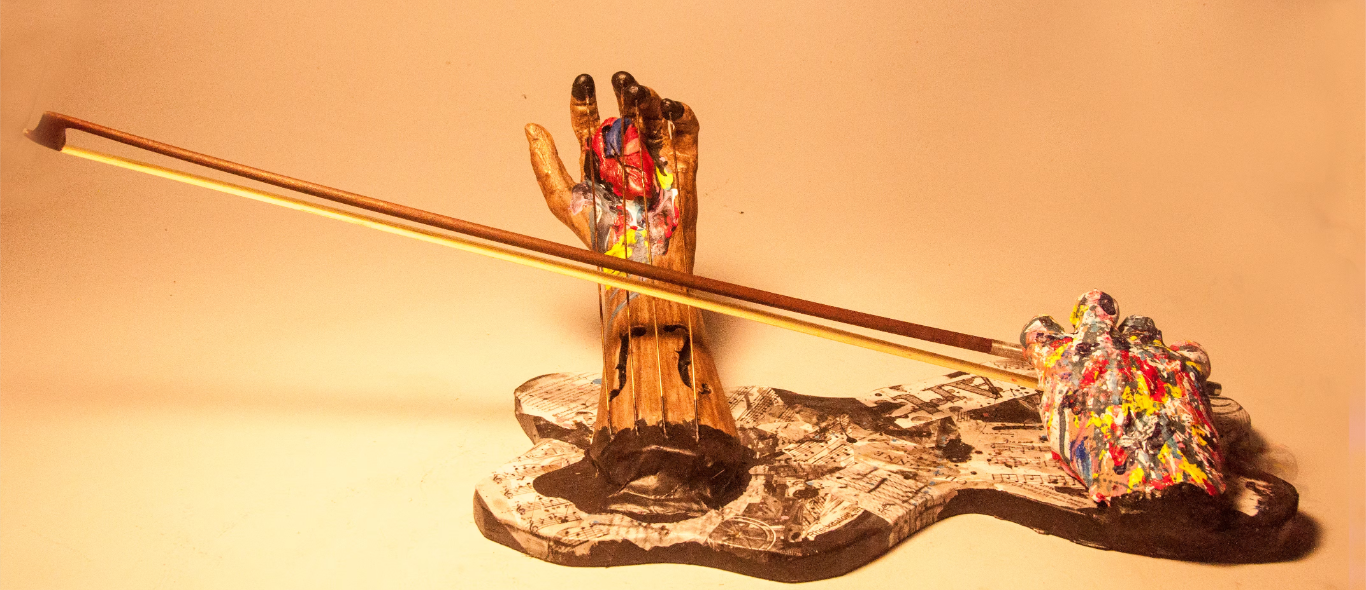
This work emerges from systematic material research exploring the intersection of sculpture and sound through environmental contingency. Rather than imposing a fixed sonic experience, the artist designed a sculpture that becomes a resonating instrument activated by rain—transforming atmospheric conditions into the primary agent of artistic expression. As precipitation strikes the carefully composed surfaces and internal mechanisms, the sculpture produces evolving soundscapes that shift in response to rainfall intensity, duration, and patterns.
The piece represents a deliberate investigation into the acoustic and sculptural properties of materials, testing how form, surface, and composition generate sound when engaged by natural forces. By relinquishing control over the precise moment and character of the sonic output, the work embraces unpredictability as both material constraint and aesthetic possibility. Each rainfall becomes a unique performance, rendering weather itself a collaborator in the artistic process.
Musica y Limosna
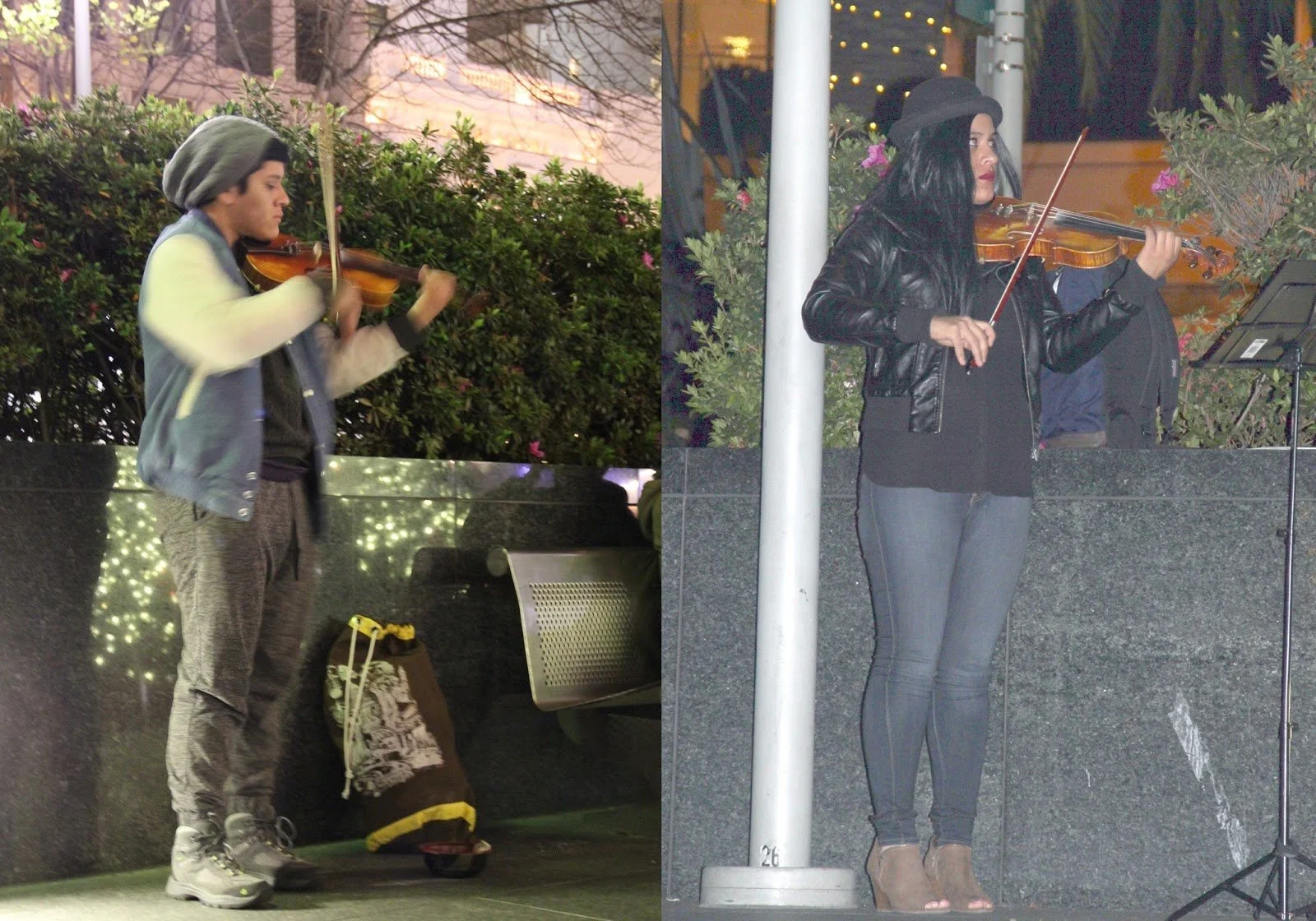
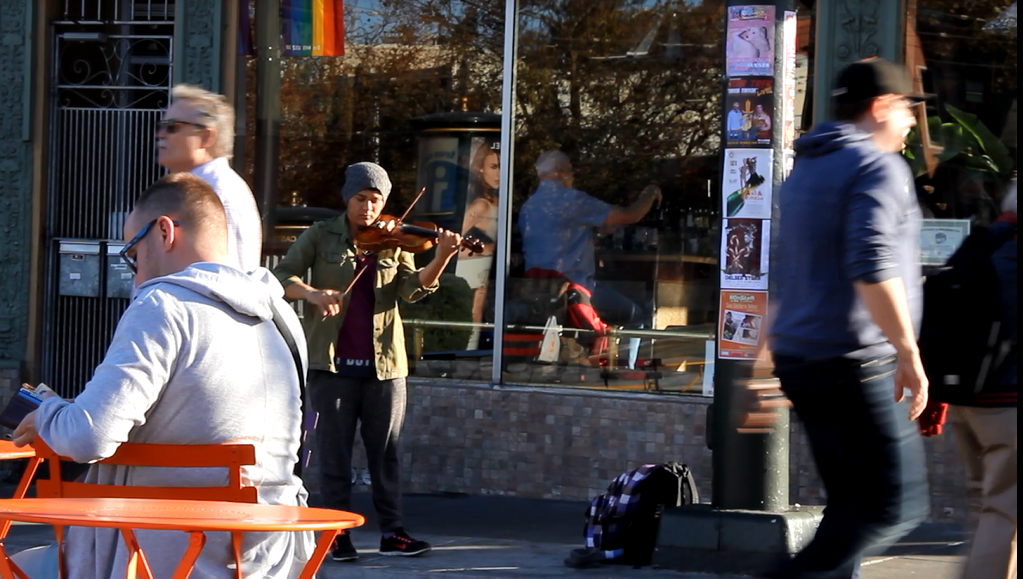
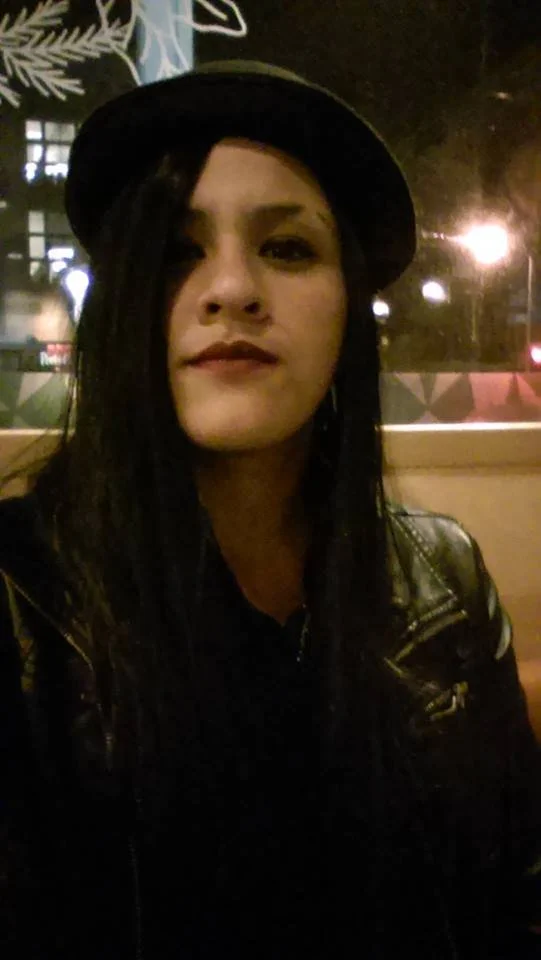
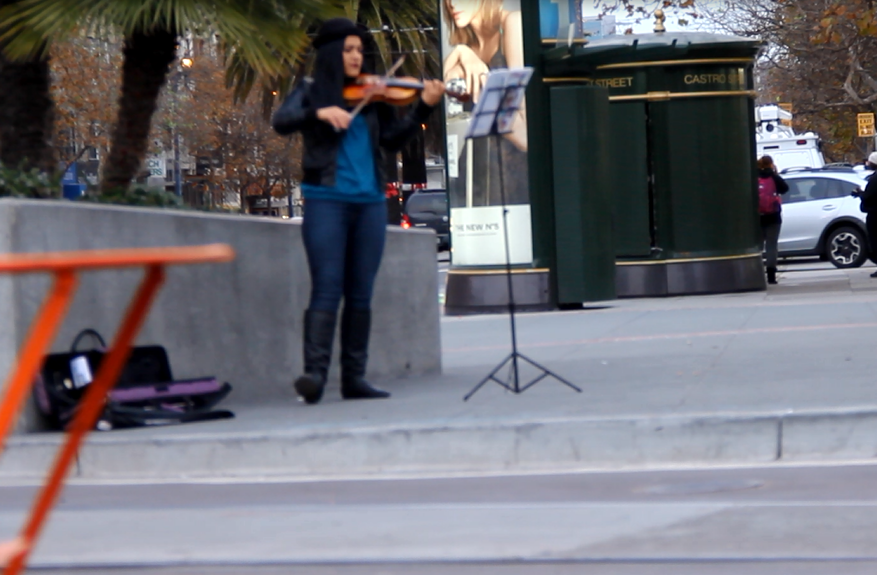
In this ongoing series of street performances, the artist stages a social experiment that interrogates value, perception, and identity in public space. Stationed in various urban locations, the artist performs pieces of music while embodying two radically contrasting alter egos—each representing opposing poles of the socio-economic spectrum. The stark juxtaposition asks a deceptively simple yet deeply revealing question: Under what circumstances do people find more value in who I am and what I do?
By inhabiting these extreme personas, the work exposes how public perception is mediated by visible markers of class, status, and social positioning. The performance becomes a mirror reflecting societal hierarchies, biases, and the unspoken calculations that shape how strangers assign worth to artistic practice, talent, and human presence. The choice of music—performed identically across both alter egos—removes the variable of skill or content, isolating the audience's response to the constructed identity itself.
This series functions as both artistic gesture and empirical observation. It transforms the street into a laboratory and each passerby into an unwitting participant in an examination of prejudice, assumption, and the performative nature of social identity. The work ultimately challenges viewers to recognize how their own evaluations of art, merit, and human dignity are filtered through socio-economic assumptions.
Afterword
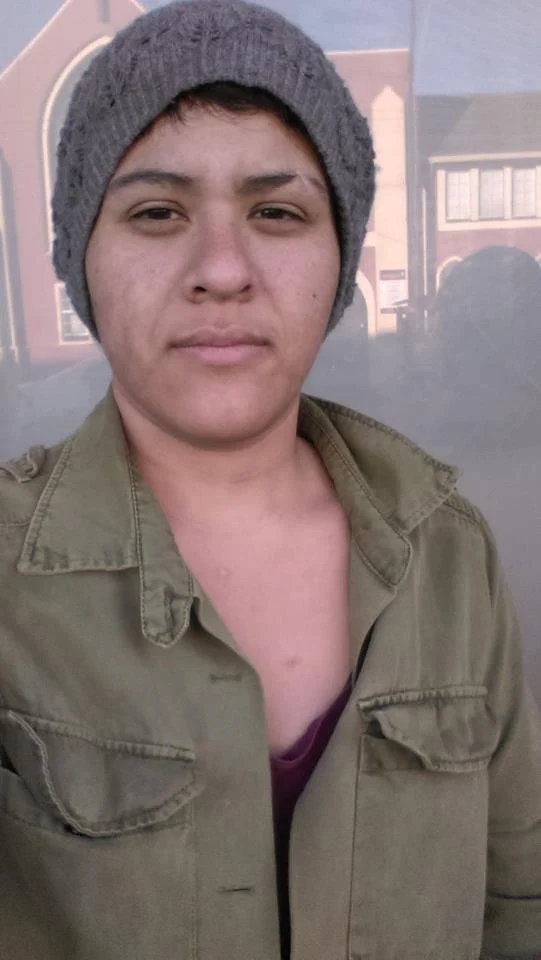
What began as a carefully controlled social experiment—designed to test whether audiences' prejudices interfere with fair evaluation—ultimately revealed something more urgent and humane. Through repeated exposure to these contrasting personas, the artist observed a troubling pattern: differential treatment based on perceived economic status. Yet rather than condemn this disparity, the work extends an invitation to something deeper: a moment of self-awareness. The artist does not seek to shame those who offered preferential treatment, but instead asks viewers to recognize the invisible mechanisms that govern their own judgments. In doing so, the performances become less about exposing failure and more about awakening possibility. The recognition of our biases and the choices we make—can catalyze change.
Intersectional Pride
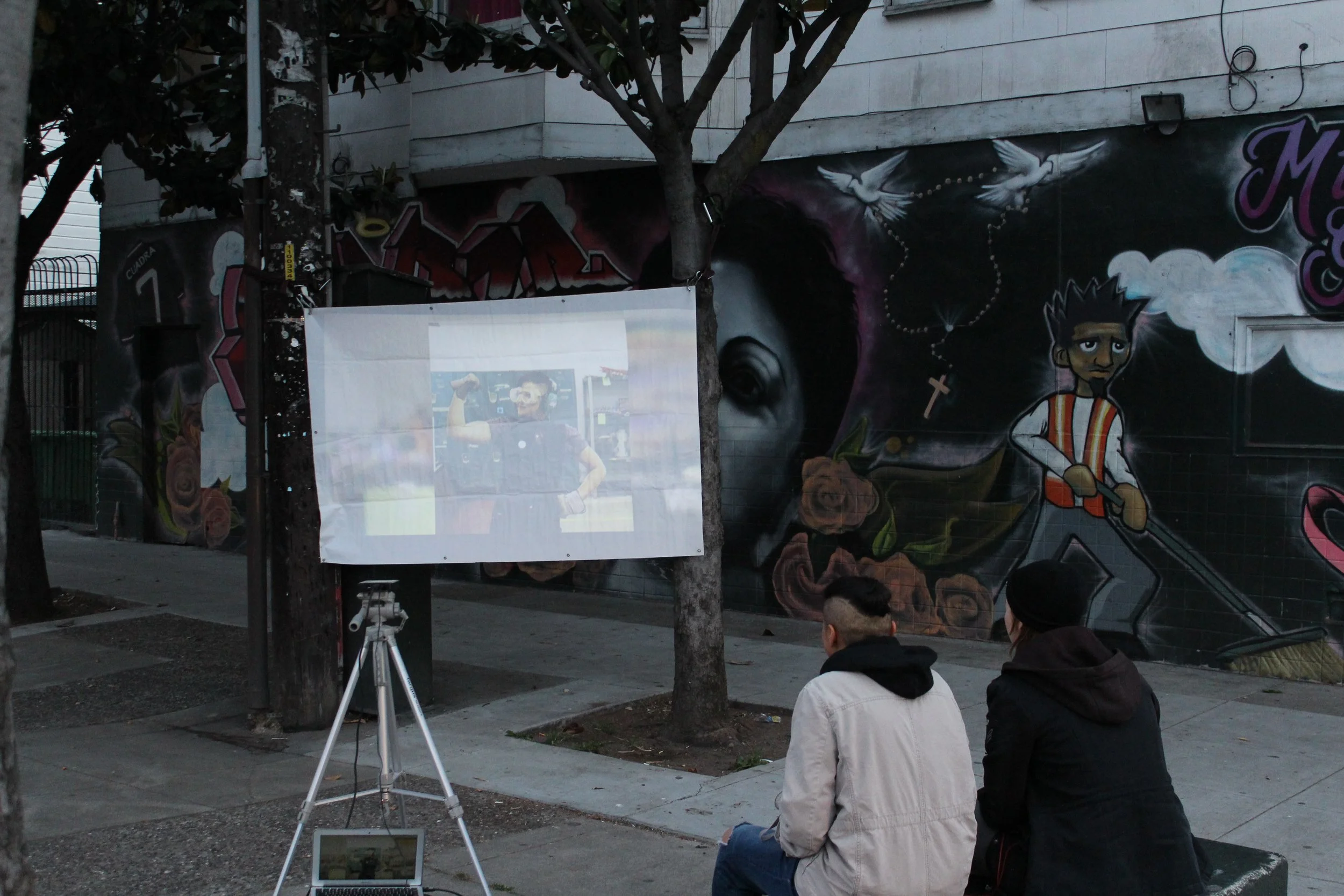
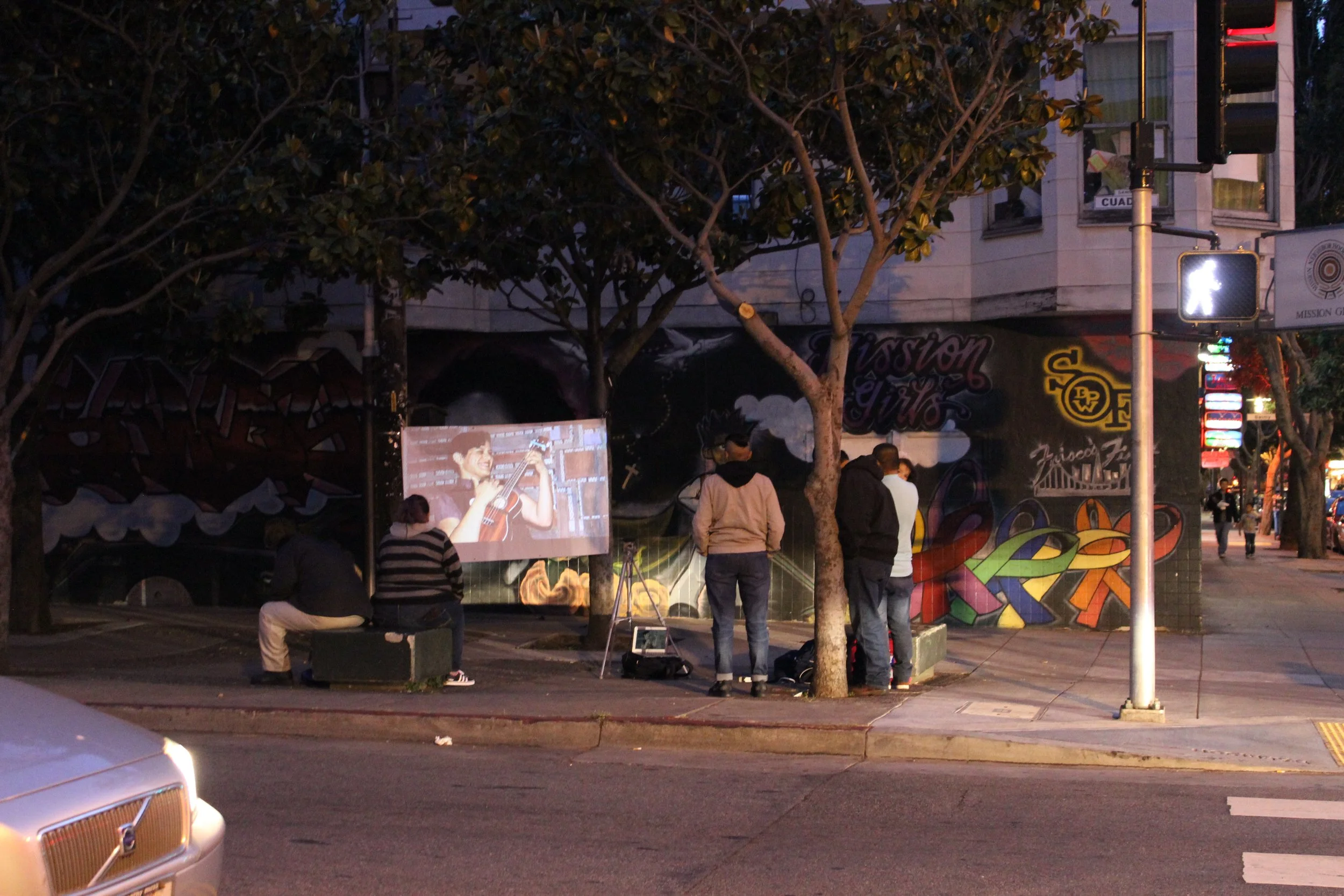
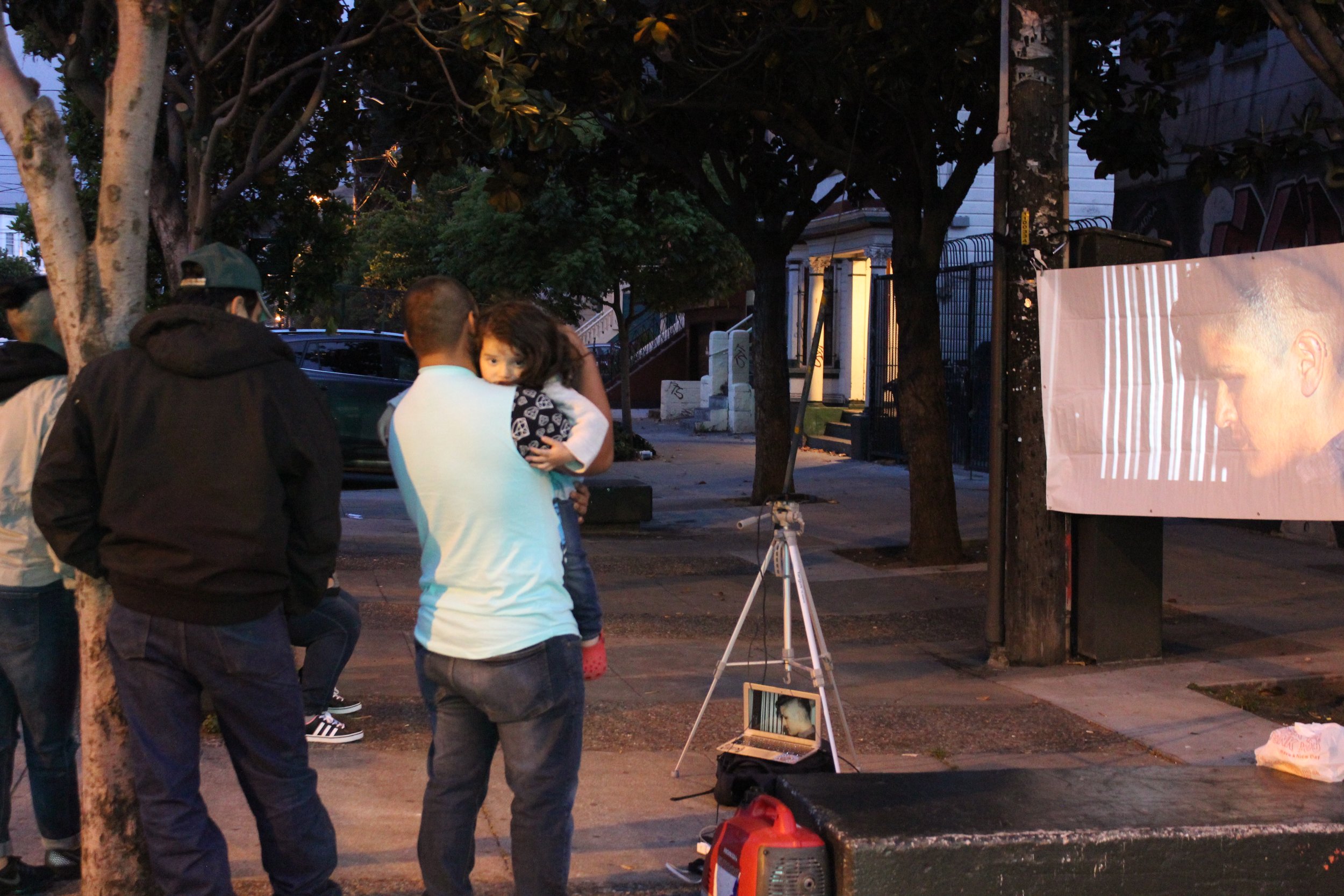
This collaborative public installation centers the lived experiences and identities of LGBTQ+ students of color at San Francisco State University, examining the intersections of queer identity, Latinx heritage, and belonging within academic and broader social contexts. Through a series of intimate interviews and portraits, the artists create a visual and narrative archive that honors the complexity of navigating multiple, intersecting identities—moving beyond singular representation to reveal the nuanced ways in which race, ethnicity, sexuality, gender, and culture shape individual experience and community formation.
Cynthia Beltran is an intersectional artist majoring in Studio Arts. Her artistic practice centers on community engagement and public-space interventions that address urgent social and political issues. Gabriela Cerros is a scholar majoring in Latinx Studies. Her work examines questions of identity, representation, and justice within Latinx and LGBTQ+ communities, informed by her aspiration to practice law as a public defender and to author work centering these experiences.
Together, Beltran and Cerros position this installation as a platform for visibility, dialogue, and collective recognition. The work transforms public space into a venue for encountering stories often marginalized or rendered invisible within dominant institutional and cultural narratives.
Artivism:
Art, Activism, and Civic Practice
This introductory course explores artivism—the intersection of artistic practice and political activism—through the work of contemporary artists and global art movements engaged in civic life. Students examine how artists use public space and creative expression to address social and political issues, tracing persistent themes and real-world impacts of visual activism worldwide. Through collaborative discussion and critical analysis, students develop awareness of how multiple identities—including gender, sexuality, race, and ethnicity—shape their own political perspectives, personal narratives, and artistic voice. Course assignments emphasize introspective creative practice grounded in both personal meaning and public relevance, fostering the analytical and imaginative thinking essential to engaged artistic citizenship.

History of Music
Stay a Little Bit Longer
Internal Crescendo
Suicide Hotline
Stand by Me
Temples & Prisons